

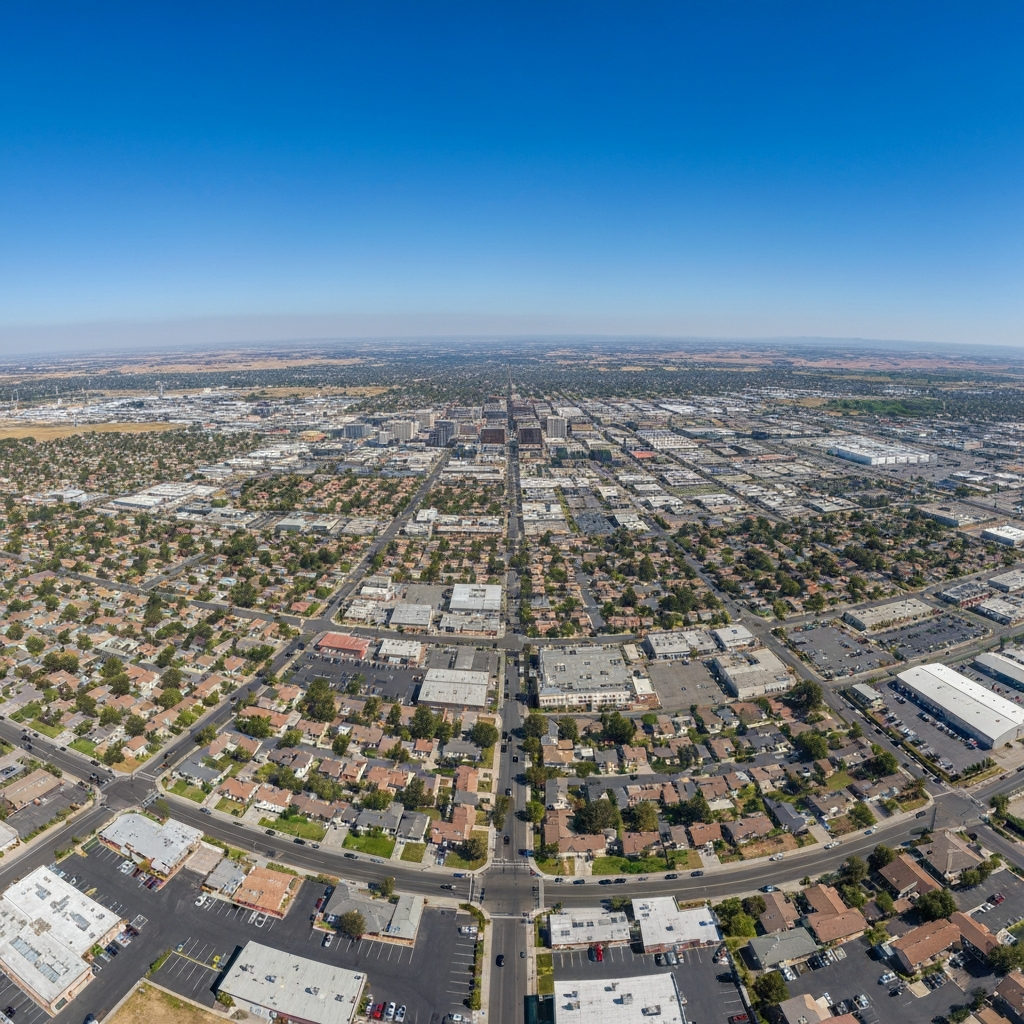
Bakersfield, located in California’s Central Valley, experiences a hot desert climate characterized by very hot, dry summers and mild winters. Understanding these patterns is essential for residents to navigate the environmental challenges unique to our region.
Seasonal Climate Overview
Summer
Summers in Bakersfield are notably hot and arid. Average high temperatures range from 89.6°F (32°C) in June to 96.6°F (35.9°C) in July. Rainfall during this period is minimal, with June and August averaging just 0.04 inches (1mm) of precipitation. These conditions make it crucial for residents to stay hydrated and take precautions against heat-related illnesses.
Winter
Winters are mild, with average high temperatures around 59°F (15°C) in January. December typically sees the highest rainfall, averaging 1.26 inches (32mm). While snowfall is rare, occasional frost and dense fog can occur, leading to reduced visibility and potential travel hazards.
Spring and Fall
Spring and fall serve as transitional periods with moderate temperatures. Spring temperatures range from 66.2°F (19°C) in April to 78.6°F (25.9°C) in May, while fall temperatures decrease from 90°F (32.2°C) in September to 67.5°F (19.7°C) in November. These seasons offer comfortable conditions for outdoor activities.
Environmental Challenges
Air Quality
Bakersfield has faced challenges with air quality. Factors such as industrial activities and geographical features contribute to elevated levels of pollutants. Residents are advised to stay informed about air quality indices and limit outdoor activities during periods of poor air quality.
Heat and Drought
Climate projections indicate an increase in the number of extremely hot days. By 2050, Bakersfield is projected to experience an average of about 33 days per year with temperatures exceeding 104.6°F (40.3°C). Additionally, the region faces a high risk of drought, emphasizing the importance of water conservation efforts.
Staying Informed and Prepared
Residents can stay informed by monitoring local weather forecasts and air quality reports. Implementing water-saving practices and preparing for heat waves are essential steps to mitigate the impacts of Bakersfield’s climate. Community engagement and adherence to environmental guidelines can collectively enhance our resilience to these challenges.