

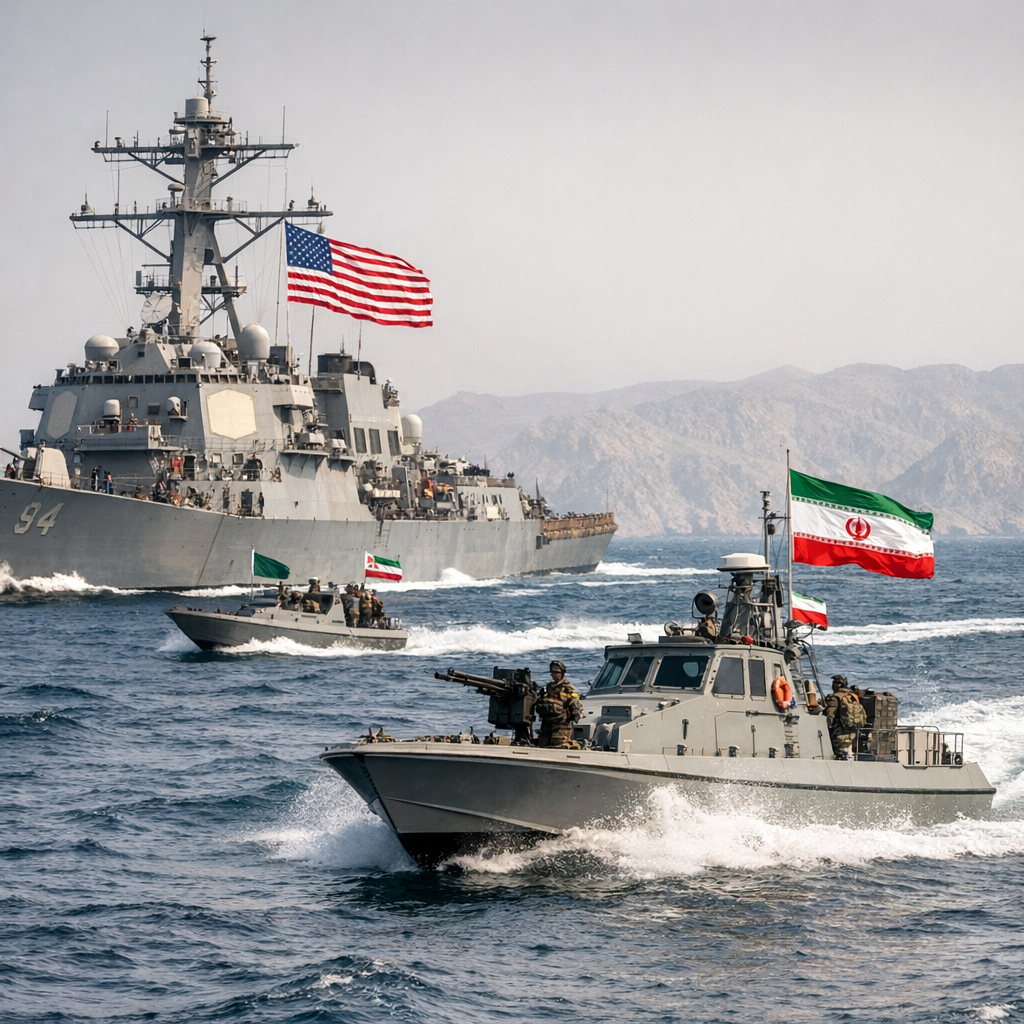
Recent developments in the Strait of Hormuz have once again brought U.S.-Iran relations into the global spotlight. Reports indicate that both nations have engaged in military clashes over this strategic waterway, raising concerns about regional stability and international peace prospects.
Background of the Conflict
The Strait of Hormuz is a vital passage for global oil shipments, making it a focal point in geopolitical tensions. The current escalation appears to be driven by the United States’ strategy to contain Iran and influence its regional positions. Analysts suggest that these incidents highlight the deep-seated mistrust between the two nations, complicating efforts toward a lasting peace agreement.
Implications for Global Stability
The recent standoff has had immediate effects on global markets. European shares have tumbled as the deadlock in U.S.-Iran negotiations has dented risk appetite, rattled energy markets, and rekindled concerns over an economic slowdown. This underscores the far-reaching impact of Middle Eastern geopolitics on the global economy.
Looking Ahead
As the situation unfolds, the international community remains watchful. The hope is for diplomatic channels to prevail, leading to a de-escalation of tensions and a path toward sustainable peace in the region.